

Introduction
In the world of construction and design, the choice of materials can make a significant impact on the overall aesthetics, durability, and functionality of a structure. One material that has gained popularity in recent years is cultured stone veneer. Offering the beauty and elegance of natural stone at a fraction of the cost, cultured stone veneer is a versatile and practical choice for a wide range of applications. In this comprehensive guide, we will explore the various aspects of cultured stone veneer, including its composition, installation process, benefits, and maintenance requirements.
What is Cultured Stone Veneer?
Cultured stone veneer, also known as manufactured stone veneer or faux stone, is a man-made product designed to replicate the appearance of natural stone. Made from a blend of cement, aggregates, and iron oxide pigments, cultured stone veneer is molded and colored to closely resemble the texture, color, and shape of natural stone. This process allows for a wide range of design options, from rustic and rugged to sleek and contemporary, making it a versatile choice for both interior and exterior applications.
Composition of Cultured Stone Veneer
Cultured stone veneer is typically composed of the following materials:
1. Cement: The primary binding agent in cultured stone veneer, cement provides the structural integrity and durability of the product. It is mixed with other ingredients to create a moldable paste that can be shaped and textured to mimic natural stone.
2. Aggregates: Various aggregates, such as crushed stone, sand, and gravel, are added to the cement mixture to enhance the strength and texture of the cultured stone veneer. These aggregates contribute to the realistic appearance of the final product.
3. Iron Oxide Pigments: Pigments are added to the cement mixture to achieve the desired color and tone of the cultured stone veneer. Iron oxide pigments are commonly used to create natural-looking hues, ranging from earthy browns and grays to vibrant reds and golds.
4. Water: Water is added to the cement mixture to facilitate the mixing and molding process. veneer stone of water used can affect the workability and curing time of the cultured stone veneer.
Manufacturing Process
The manufacturing process of cultured stone veneer involves several steps to create a high-quality, durable product that closely resembles natural stone. Here is an overview of the typical manufacturing process:
1. Mixing: The cement, aggregates, pigments, and water are mixed together in precise proportions to create a uniform paste with the desired properties. The mixture is blended until it reaches a smooth consistency that is easy to work with.
2. Molding: The mixed paste is poured into molds that are designed to replicate the shape and texture of natural stone. The molds may be made from silicone, fiberglass, or other materials that can withstand the curing process.
3. Curing: The molded cultured stone veneer is allowed to cure and harden in a controlled environment, such as a curing chamber or kiln. This process helps the material achieve its full strength and durability while maintaining its shape and texture.
4. Finishing: Once the cultured stone veneer has cured, it is removed from the molds and inspected for quality. Any imperfections or irregularities are corrected, and the surface may be textured or finished to enhance its appearance.
5. Packaging: The finished cultured stone veneer is packaged and prepared for shipping to distributors, retailers, or directly to customers. Proper packaging helps protect the product during transportation and storage.
Installation Process
Installing cultured stone veneer requires careful planning, preparation, and attention to detail to ensure a professional and long-lasting result. While the specific installation process may vary depending on the application and design requirements, the following steps are typically involved in installing cultured stone veneer:
1. Surface Preparation: The surface where the cultured stone veneer will be installed must be clean, dry, and structurally sound. Any existing finishes, such as paint or wallpaper, should be removed, and the surface should be inspected for defects or irregularities.
2. Waterproofing: For exterior applications, a waterproofing membrane or moisture barrier may be applied to the surface to protect the underlying structure from water infiltration. This step is crucial for preventing moisture-related issues, such as mold growth or water damage.
3. Lath Installation: A metal or fiberglass lath is attached to the surface using fasteners or adhesive to create a secure base for the cultured stone veneer. The lath provides a keying surface for the mortar and helps support the weight of the veneer.
4. Mortar Application: A mortar mixture is prepared according to the manufacturer's instructions and applied to the lath in a thin, even layer. The mortar serves as the bonding agent that holds the cultured stone veneer in place and provides a strong, durable connection to the substrate.
5. Veneer Installation: The cultured stone veneer pieces are individually placed onto the mortar bed, starting from the bottom and working upwards. The stones should be positioned close together to create a tight fit and achieve a seamless appearance. Joints may be filled with mortar to enhance the overall look.
6. Grouting: Once the cultured stone veneer is in place, any visible joints or gaps between the stones are filled with grout to create a uniform finish. Grouting helps improve the structural integrity of the installation and enhances the aesthetic appeal of the veneer.
7. Cleaning and Sealing: After the grout has cured, the cultured stone veneer is cleaned to remove any excess mortar or grout residue. A sealer may be applied to the surface to protect the veneer from stains, moisture, and UV exposure, extending its lifespan and maintaining its appearance.
Benefits of Cultured Stone Veneer
Cultured stone veneer offers a wide range of benefits that make it a popular choice for homeowners, builders, and designers alike. Some of the key advantages of cultured stone veneer include:
1. Cost-Effective: Cultured stone veneer is more affordable than natural stone, making it a budget-friendly option for achieving the look of real stone without the high price tag. The cost savings extend to both the material itself and the installation process, making cultured stone veneer an attractive choice for projects with limited budgets.
2. Lightweight: Compared to natural stone, cultured stone veneer is lightweight and easy to handle, reducing the labor and equipment required for installation. The lightweight nature of the veneer also minimizes structural load and allows for greater design flexibility in various applications.
3. Versatile Design Options: Cultured stone veneer is available in a wide range of colors, shapes, sizes, and textures, allowing for endless design possibilities. Whether you prefer a classic, rustic look or a modern, sleek aesthetic, there is a cultured stone veneer option to suit your style and preferences.
4. Easy Installation: The installation process for cultured stone veneer is relatively straightforward, especially when compared to natural stone. With the right tools and techniques, homeowners and contractors can achieve professional-looking results in a fraction of the time it would take to install natural stone.
5. Durable and Low Maintenance: Cultured stone veneer is designed to withstand the elements and resist wear and tear over time. The durable nature of the material makes it a long-lasting choice for exterior applications, such as siding, chimneys, and accent walls. Additionally, cultured stone veneer requires minimal maintenance, typically only needing periodic cleaning to keep it looking its best.
6. Eco-Friendly: Cultured stone veneer is a sustainable choice for environmentally conscious consumers, as it reduces the demand for natural stone extraction and minimizes waste in the manufacturing process. By opting for cultured stone veneer, you can enjoy the beauty of stone without contributing to environmental degradation.
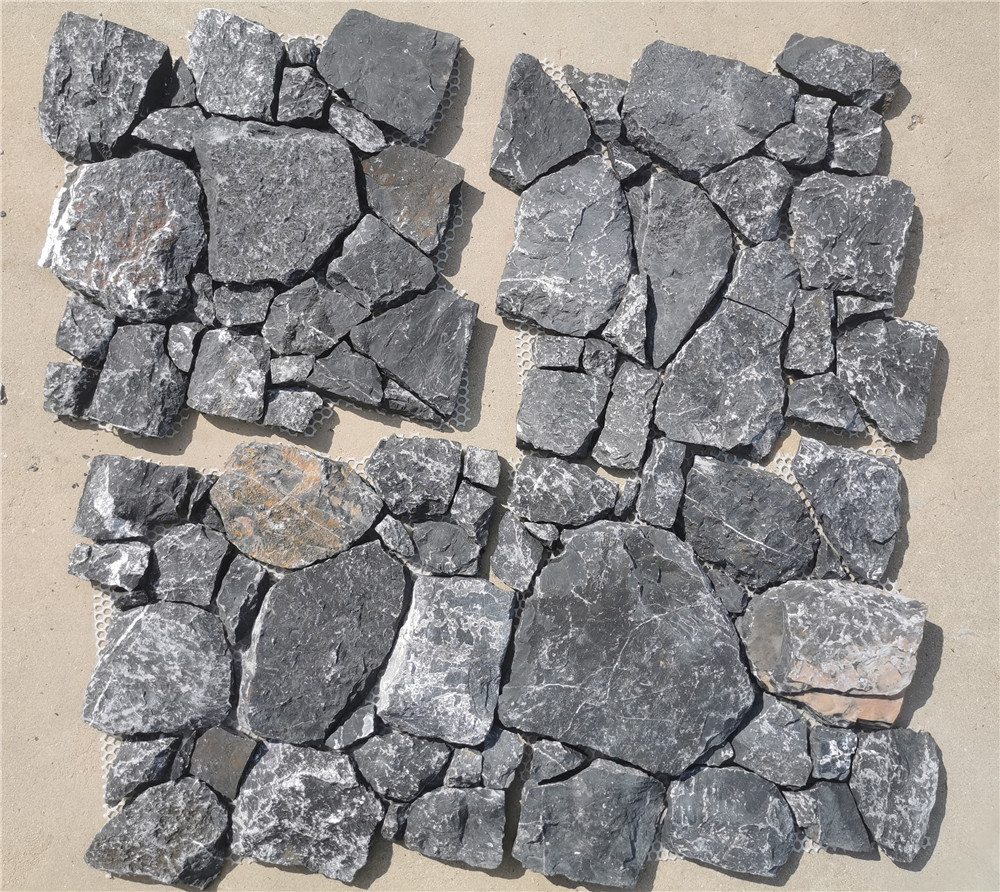
Applications of Cultured Stone Veneer
Cultured stone veneer can be used in a variety of applications both indoors and outdoors, adding charm, character, and sophistication to any space. Some common applications of cultured stone veneer include:
1. Exterior Siding: Cultured stone veneer is a popular choice for enhancing the curb appeal of a home or commercial building. It can be used to create a distinctive façade, accentuate architectural features, or add visual interest to entryways and porches.
2. Accent Walls: Cultured stone veneer is an excellent option for creating focal points in interior spaces, such as living rooms, dining areas, or bedrooms. An accent wall clad in cultured stone veneer can add warmth, texture, and depth to the room, making a bold design statement.
3. Fireplaces: Cultured stone veneer is frequently used to surround fireplaces, mantels, and hearths, creating a cozy and inviting ambiance. The natural look and feel of the veneer enhance the aesthetic appeal of the fireplace while providing a durable and heat-resistant finish.
4. Outdoor Living Spaces: Cultured stone veneer can transform outdoor living areas, such as patios, decks, and outdoor kitchens, into stylish and functional retreats. Whether used for cladding columns, retaining walls, or seating areas, the veneer adds a touch of sophistication to outdoor spaces.
5. Landscape Features: Cultured stone veneer is ideal for enhancing the beauty of landscape features, such as garden walls, planter boxes, and water features. The weather-resistant properties of the veneer make it a practical choice for adding visual appeal to outdoor environments.
Maintenance of Cultured Stone Veneer
Proper maintenance is essential for preserving the beauty and longevity of cultured stone veneer installations. By following these maintenance tips, you can ensure that your cultured stone veneer remains in top condition for years to come:
1. Regular Cleaning: Cultured stone veneer should be cleaned periodically to remove dirt, debris, and other contaminants that can accumulate on the surface. Use a mild detergent and water solution to gently scrub the veneer, taking care not to use abrasive cleaners or tools that could damage the finish.
2. Sealing: Depending on the type of cultured stone veneer you have, it may be beneficial to apply a sealer to protect the surface from stains, moisture, and UV exposure. Consult with the manufacturer or a professional installer to determine the appropriate sealer for your specific application.
3. Inspecting for Damage: Periodically inspect your cultured stone veneer for signs of damage, such as cracks, chips, or discoloration. Address any issues promptly to prevent further deterioration and maintain the integrity of the installation.
4. Avoid Harsh Chemicals: When cleaning or maintaining cultured stone veneer, avoid using harsh chemicals, acids, or solvents that could damage the finish or alter the color of the veneer. Stick to mild cleaning solutions and non-abrasive tools to preserve the beauty of the material.
5. Professional Maintenance: For more extensive maintenance or repairs, consider hiring a professional contractor or installer with experience working with cultured stone veneer. They can provide expert advice, perform necessary repairs, and ensure that your veneer remains in top condition.
Conclusion
Cultured stone veneer offers a cost-effective, versatile, and durable alternative to natural stone, making it a popular choice for a wide range of construction and design projects. With its realistic appearance, easy installation, and low maintenance requirements, cultured stone veneer provides the beauty and elegance of natural stone without the high cost and maintenance demands. Whether used for exterior siding, accent walls, fireplaces, or outdoor living spaces, cultured stone veneer adds charm, character, and sophistication to any space. By understanding the composition, manufacturing process, installation techniques, benefits, applications, and maintenance requirements of cultured stone veneer, you can make an informed decision about incorporating this versatile material into your next project.